
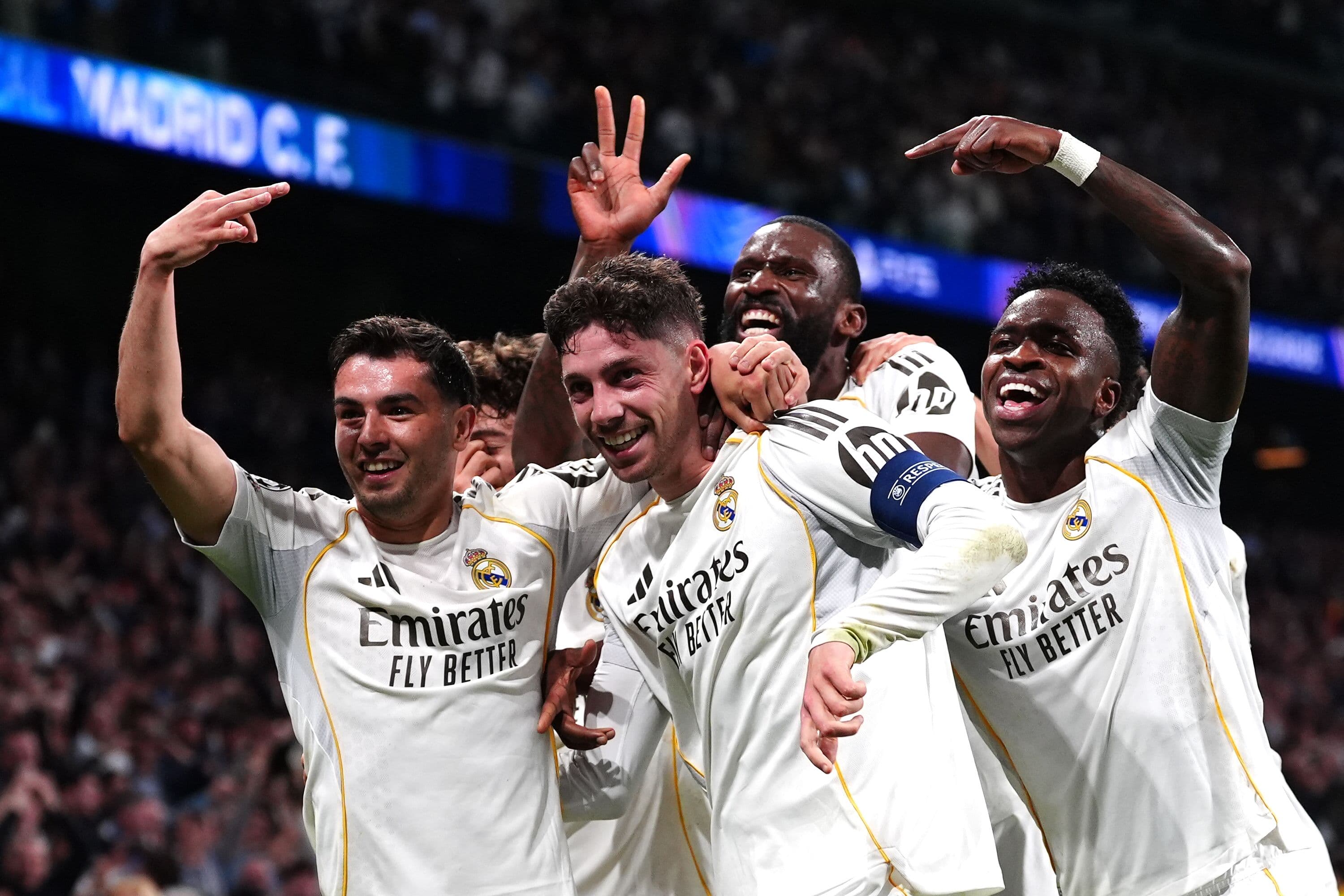
What does the leadership exercised by players within a collective really entail? Adam Nicholls, a sports psychology researcher at Hull, highlights concrete effects on performance and group dynamics by identifying five major contributions of leaders in scientific literature.
- Performance: First and foremost, performance is highlighted in the work of Michel Crozier (2013). Based on open-ended questionnaires with 104 athletes, his research shows that effective leaders positively influence team results.
- Communication & Cohesion: The French sociologist and organisational specialist also emphasises their role in improving communication and fostering cohesion.
- Confidence in Outcomes: In a study of over 3,000 athletes from more than 2,000 teams, Dutch researcher Jeroen Fransen (2014) established a link between leadership quality and confidence. By developing a sense of unity, leaders strengthen the group’s belief in its ability to achieve its goals.
- Burnout Prevention: Further work by Jeroen Fransen et al. (2020), conducted with 120 professional football teams, shows that leadership also plays a role in preventing burnout and that collectives with strong leaders exhibit better overall health.
- Intrinsic Motivation: Finally, intrinsic motivation is another key benefit according to studies from the Utrecht academic (him again), demonstrating that leaders who support their teammates' "sense of competence" foster more autonomous and sustainable engagement.