
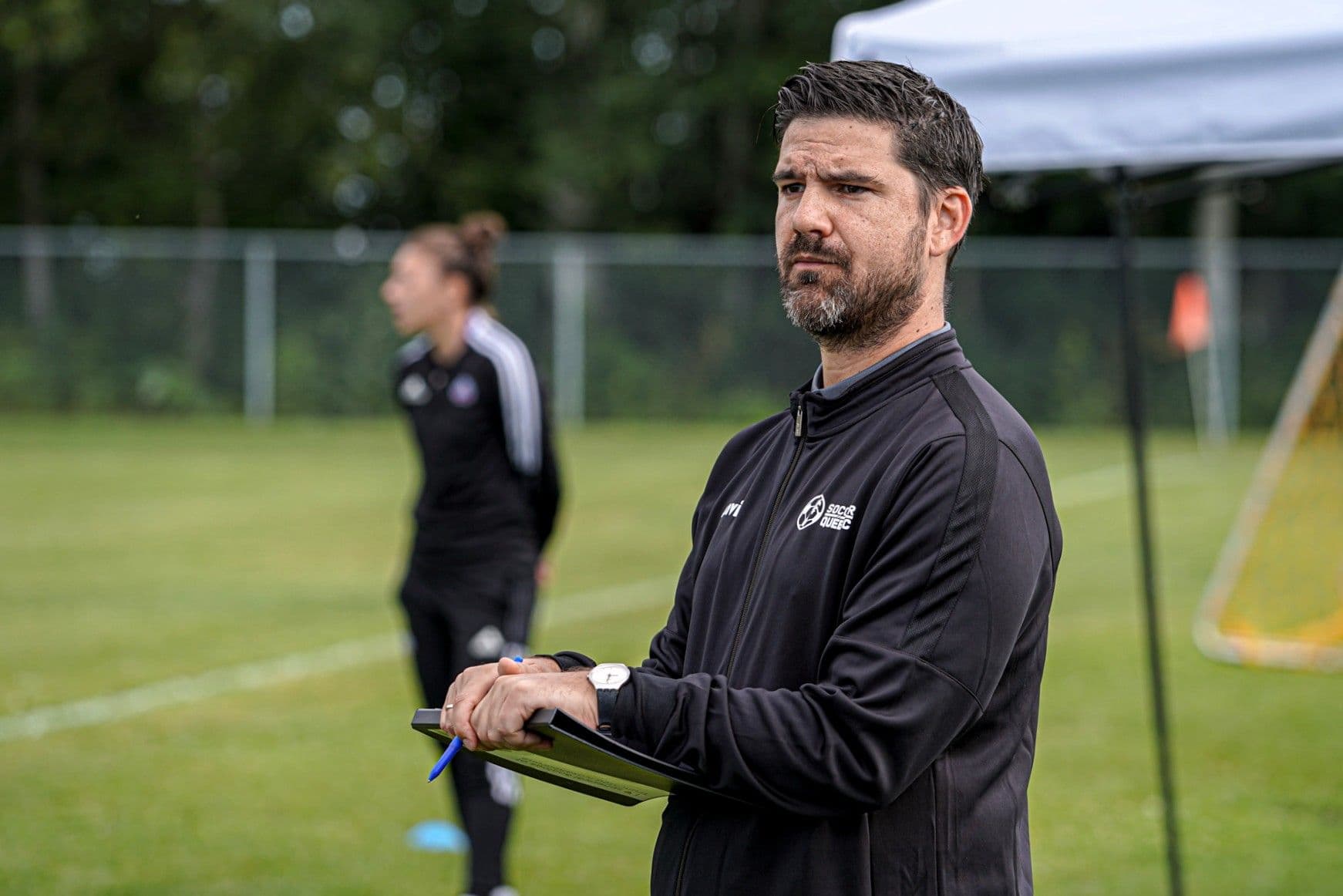

Philippe Gajevic Sayegh, technical coordinator at Soccer Québec, leads the implementation of the "match leader" role to replace traditional referees in U9 games.
How long have you been working on this project and how did it come about?
There was a pilot project a few years ago, but it wasn't continued. The difference now is that new Soccer Canada standards for soccer schools have been published, and they explicitly state that the option to play with a game leader in the U9 age group must be offered. As soon as this was officially confirmed, we got to work, as implementation is planned for 2027.
Have you ever experienced the absence of referees in youth categories?
Yes. When I was technical director of the Pre-Academy (U8 to U12) at the Montreal Impact (now CF Montréal), I had already removed the referees because I felt that at that age, they could sometimes hinder the players' development. It's not that they do their job poorly; it's just that the nature of their role, based on the traditional rules of adult football, imposes a structure and behaviours that can sometimes slow down the pace of the game… and ultimately, diminish the enjoyment for young players.
"How many fouls are there in an U9 match? Sometimes there are none! The role of the adult, at that age, is mainly to help the children find their way around: corners, throw-ins, lines…"
What have you implemented so far at Soccer Québec?
2026 will be the pilot year before the program becomes the standard for everyone in 2027. We will therefore launch the training for clubs and regional associations that volunteer. It's a short, accessible online module with a final quiz. It's primarily intended for coaches, although some referees can take it if they wish to better understand, and perhaps even perform, this specific role.
Are there other initiatives of this type in Canada?
There have been some in Ontario and British Columbia. It's not new to question the impact of referees in youth categories… How many fouls are there in an Under-9 match? Sometimes there are none! The role of the adult at that age is primarily to help children orient themselves: corners, throw-ins, lines… not necessarily to impose traditional refereeing.
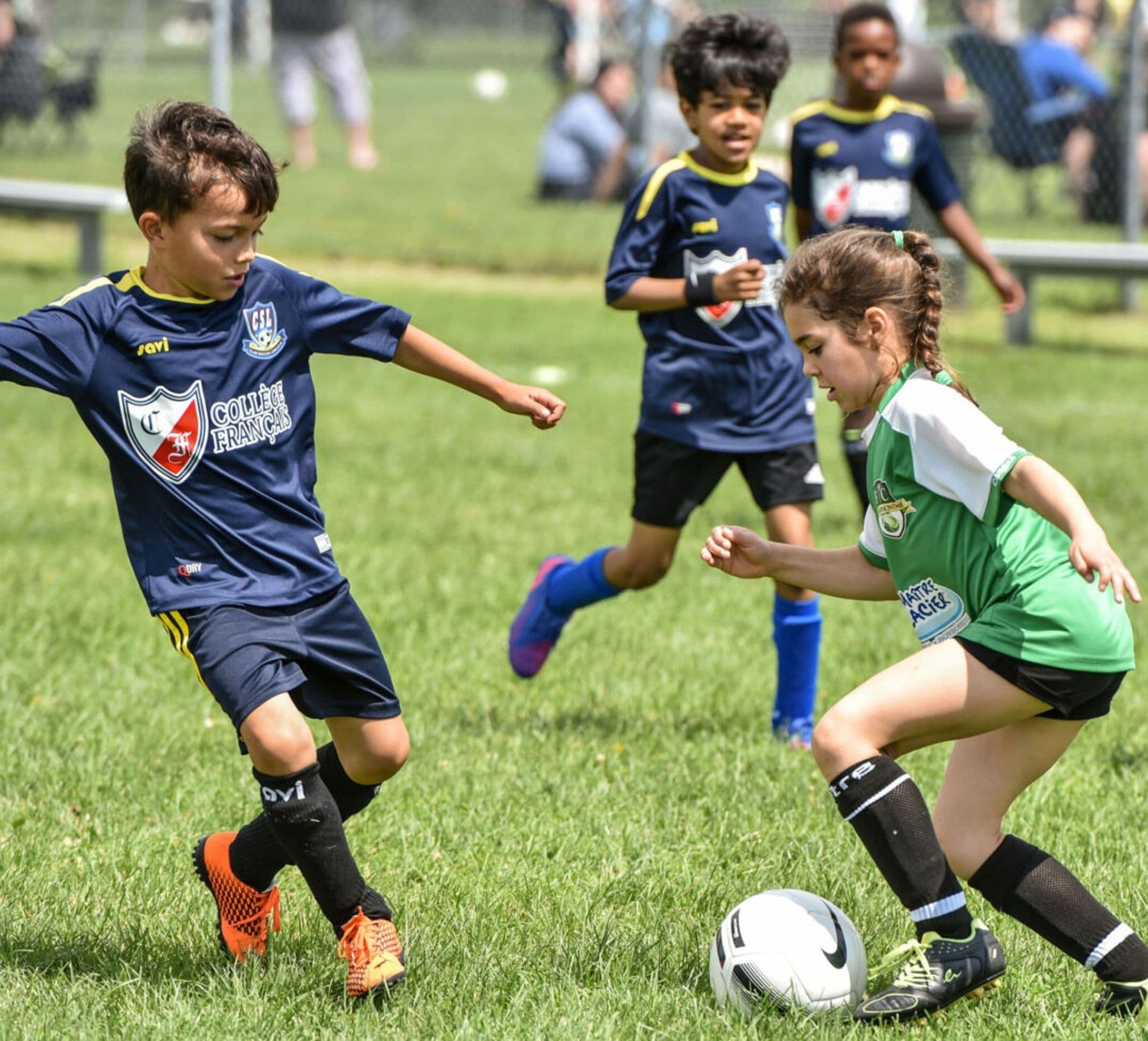
What will be the objectives of these match leaders?
The training is based on three main missions:
1. The foundation is safety: checking shin guards, the absence of jewellery, the condition of the pitch, etc.
2. Managing the rules of 5-a-side: this is another new feature for the 2027 season. The U9s will remain on 5-a-side for another year (instead of moving to 7-a-side) so they continue to get plenty of ball work. The match leader must therefore know the 4+1 format, throw-ins (dribble or pass), and the few specific rules of the smaller format.
3. The most important aspect concerns the children's enjoyment: in U9, losing a minute on a throw-in is huge, so the match leader must ensure a fast pace, a positive atmosphere, and minimal technical or tactical instructions or emphasis on the result. We don't want "coaches who coach", but educators who make people play.
The project also includes a change in the competition format. Can you explain?
The U9s will no longer play in a traditional "one-on-one" league, but rather in tournaments where several teams play multiple short matches throughout the day, changing opponents and playing on different pitches. This is much better suited to the children's development, offering them more playing time, more variety, and less time spent on the bench. It aligns perfectly with the game leader philosophy.
Aren't the coaches at risk of taking on an additional task?
It is indeed an extra responsibility, we are aware of that, but the new structure – 5 vs. 5, group play – reduces the workload elsewhere, as the children will have more freedom. The goal is for everything to flow smoothly, with fewer elements to manage. The watchword remains: play!
"Studies in sports psychology show us that children take the game just as seriously with or without a referee."
What are the main objections encountered?
The coaches are very much in favour of this reform because they understand the development challenges and also see the financial advantage of a single $15 training session (free in the pilot project) for the entire season. The Soccer Québec refereeing department is also aligned with us and participated in designing the training. The objections come more from some parents who believe that without a referee, it's not "a real game." This is a very adult view of sport. However, studies in sports psychology show us that children take the game just as seriously with or without a referee.
How will you support clubs in the face of this resistance?
We're not just going to say, "Okay, in 2027 you do this. Good luck." That would be doomed to failure. We're going to provide educational videos, explanations of the benefits of 5-a-side football, guides for organizing gatherings, and communication tools. I will personally travel to hold public meetings to answer questions and address objections, until everyone understands the benefits of these changes for our youth football.

What if youth soccer was judged by something other than results? The MLS has taken the plunge and its Technical Director, Frederic Lipka, explains this "revolution."
The International Football Institute (IFI), specialist educator for key roles within football, begins a new collaboration with Vcoaching!
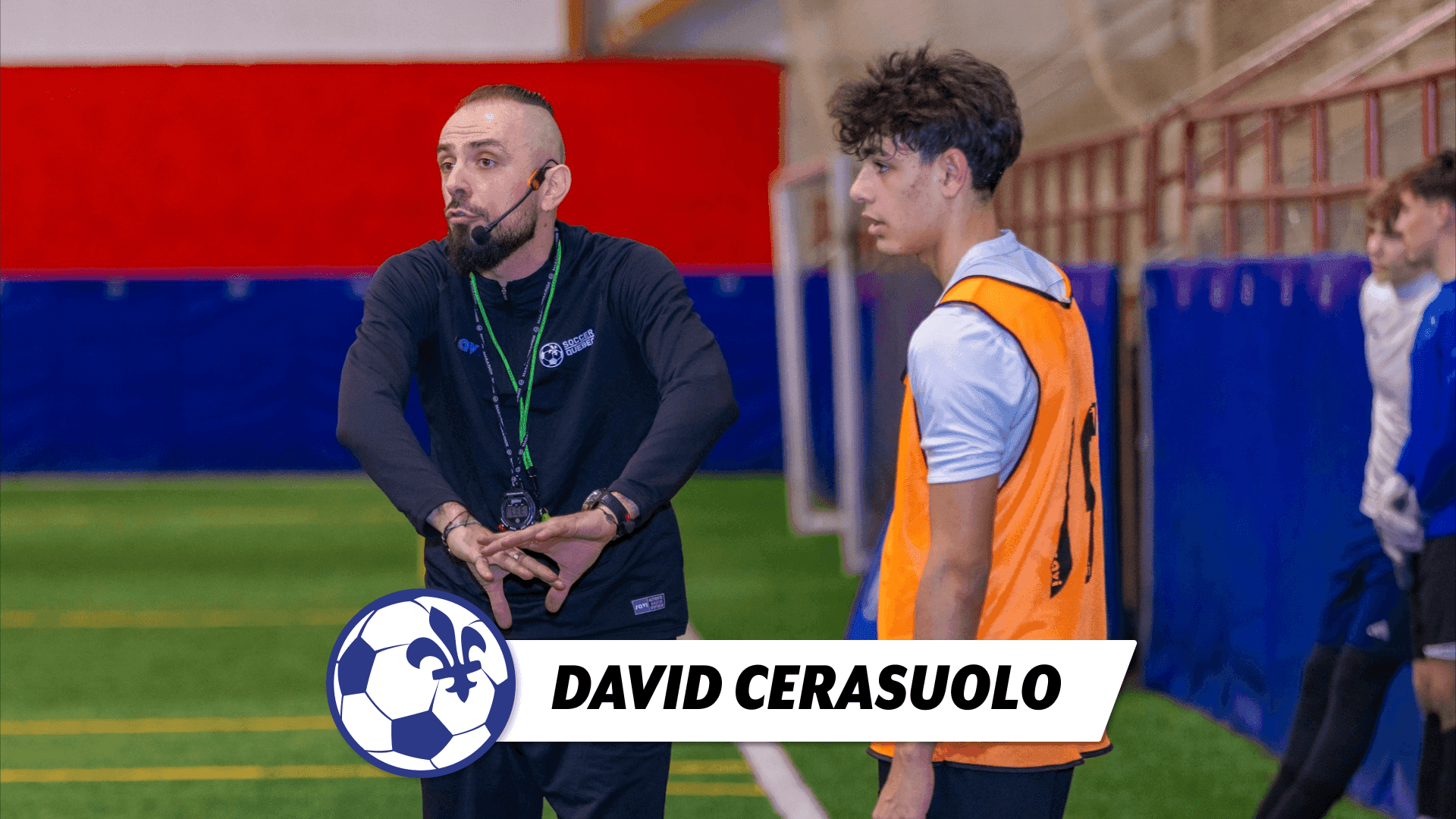
Between consistency and flexibility, David Cerasuolo, Quebec Soccer's Head of Development and Performance, presents the principles of this provincial tactical identity.