
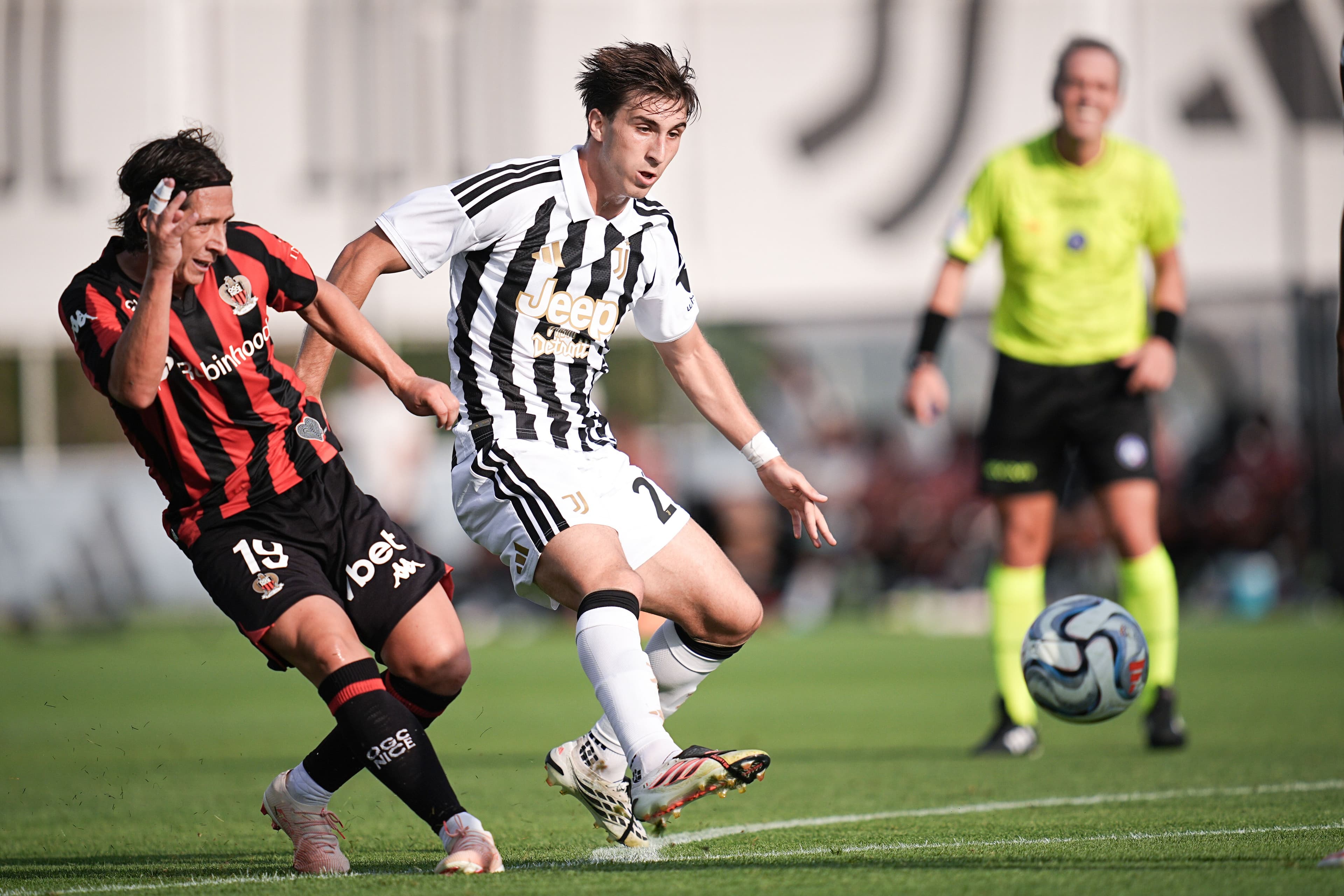
An anterior cruciate ligament (ACL) tear remains every footballer's worst nightmare. A landmark prospective study published in August 2026 in Knee Surgery, Sports Traumatology, Arthroscopy—drawing from the official ACL Registry in German Football—offers unprecedented data on 742 cases recorded between 2016 and 2022. The study stratified players across professional (n=172), semi-professional (n=316), and amateur (n=254) levels, revealing critical differences based on playing position and competitive status.
Defenders and Midfielders Most Exposed at the Pro Level
The headline takeaway? In professional competition, defenders (0.397 injuries per 1,000 match-hours) and midfielders (0.370) face the highest injury risk—a direct consequence of high-density duel zones, rapid changes of direction, and constant defensive actions.
Forwards show a lower overall incidence rate but pay the heaviest price following injury. According to the researchers, 47.5% of forwards experience a drop in competitive playing level within three years of returning, driven by a fatal loss of initial acceleration and explosiveness over the first few yards. Goalkeepers are similarly impacted, with 54.5% experiencing a post-injury drop in level (observed on an exploratory basis).
Radical Differences in Injury Mechanics by Level
One of the study's most striking findings lies in how the mechanism of injury varies dramatically across performance levels:
-Professional level: Direct contact is the primary driver, accounting for 66.7% of ACL tears in forwards and 46.2% in defenders (impacts, aerial duels, or heavy tackles).
-Amateur level: Non-contact injuries predominate across all positions, triggered by faulty plant-foot mechanics, uncoordinated decelerations, or acute muscular fatigue.
These findings highlight the urgent need for coaches to tailor injury prevention and return-to-play protocols to match both player position and level of competition.