
As professional teams return to pre-season training and others enjoy their final days of summer break, one question inevitably comes back to the fore: how do you prepare players to perform in the heat? While the sports supplement market is full of promising formulas, a study conducted by Peking University cuts through the noise by rigorously reviewing the nutritional interventions that are genuinely effective against heat stress. The researchers' first finding is clear: "In high temperatures, a football player experiences accelerated dehydration, increased glycogen consumption and a progressive deterioration in decision-making." In other words, heat attacks both the body and the brain simultaneously, and it is often the latter that gives way first. Against these constraints, the absolute priority remains, unsurprisingly, hydration management (water and electrolytes) combined with regular carbohydrate and protein intake before and during exercise. When it comes to supplements, the researchers' conclusions are more nuanced. The isolated use of BCAAs, nitrates or antioxidants still lacks robust evidence and only two substances stand out. While creatine confirms its value in supporting repeated sprint performance, it is "menthol (used as a mouth rinse or cool drink) that consistently demonstrates effectiveness in providing perceptual cooling and reducing the sensation of mental overheating during breaks." The takeaway? Lock in a strict hydration protocol before and during the match, use half-time to replenish glycogen stores, and consider menthol-based solutions as a simple, practical tool during cooling breaks.
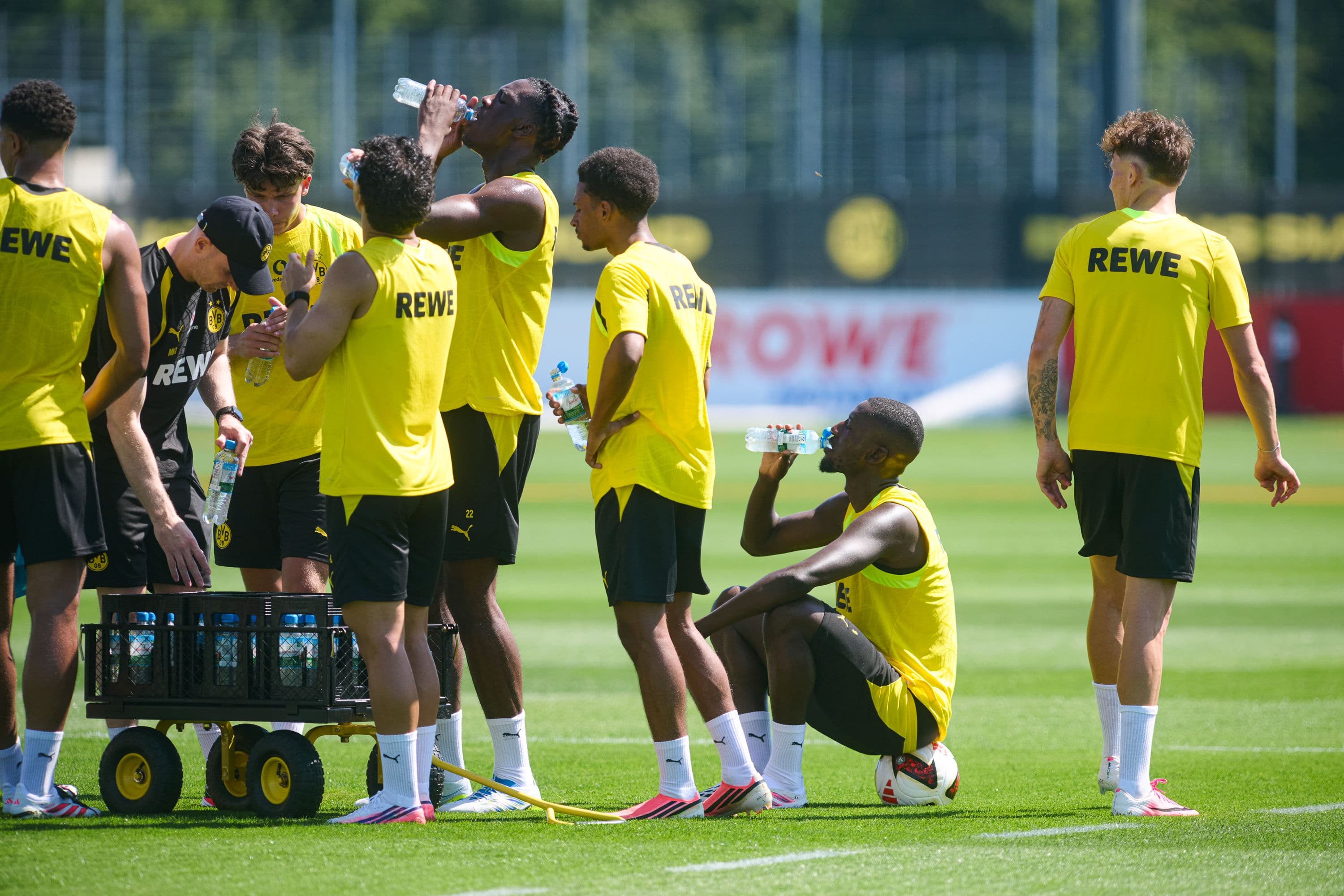
Menthol (used as a mouth rinse or cool drink) consistently demonstrates effectiveness in providing perceptual cooling and reducing the sensation of mental overheating during breaks /©Icon Sport